Curate and Interim Work Opportunities
Considering a Curate? November 19, 2020, 2 p.m. Rectors who would like to explore the benefits and requirements of having a curate on the church staff are invited …

Considering a Curate? November 19, 2020, 2 p.m. Rectors who would like to explore the benefits and requirements of having a curate on the church staff are invited …

So many times when African Americans want to talk about current injustices or injustices from the past, when we want to talk about the residual effects of slavery or the lingering bitter taste of racism that clings to our pallets, affecting both the memories of our past and the taste of present-day experiences, we are met with resistance, both from the descendants of former slave masters and, at times, even from the descendants of slaves, asking, “Why can’t we just move on?”
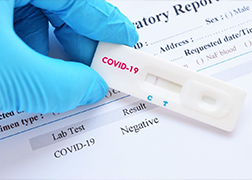
More than 7 million Americans have not only lost their jobs during the pandemic, but also their employer-based health insurance. NBC News’ Priscilla Thompson spoke with a Texas resident who is struggling to pay bills while trying to keep health care coverage.
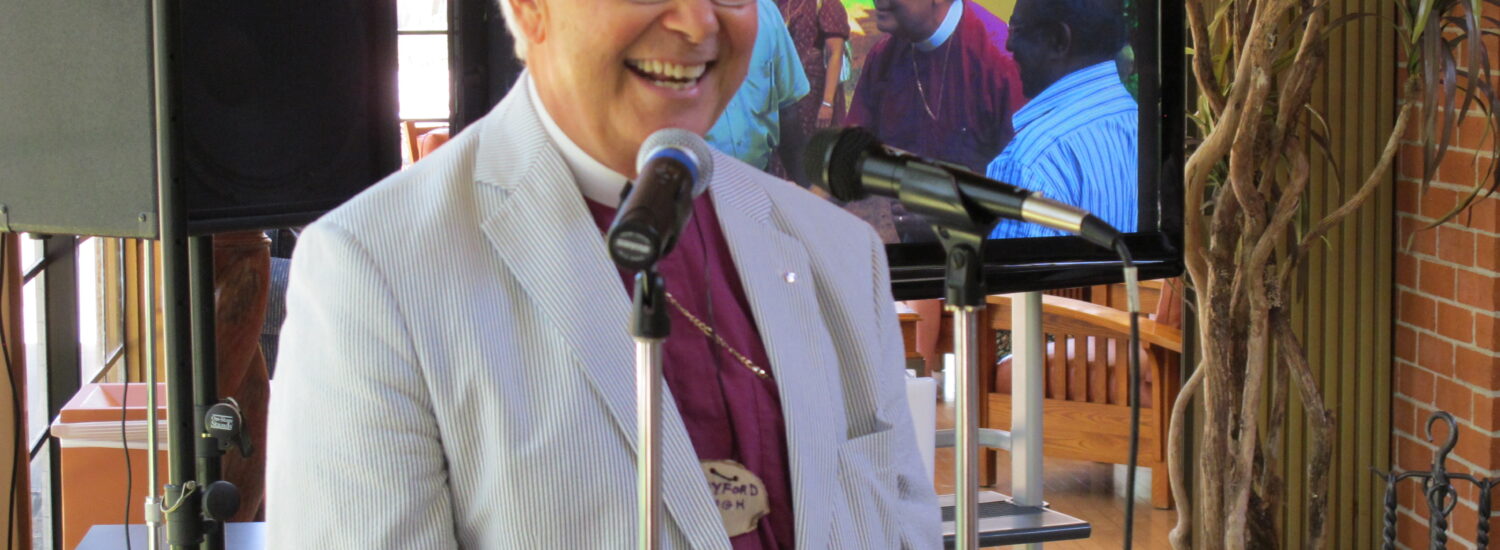
The Rt. Rev. Rayford B. High, Jr., former Bishop Suffragan of the Diocese of Texas has been appointed Assistant Bishop of the Diocese of West Texas, the Rt. Rev. David M. Reed, Bishop of the Diocese of West Texas, announced Monday, October 26, 2020.
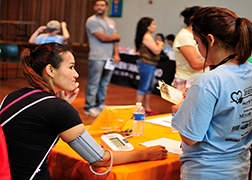
Results from the Central Texas COVID-19 Survey released this week found that four in 10 residents or someone in their household have skipped or postponed needed medical care since the pandemic began and almost all surveyed shared they have postponed or skipped preventive care. The survey, led by Episcopal Health Foundation and co-sponsored by St. David’s Foundation, examined the impacts of the COVID-19 pandemic across five Central Texas counties (Bastrop, Caldwell, Hays, Travis, and Williamson).
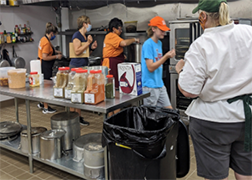
The Abundant Harvest Food Truck began as a ministry of St. Isidore’s Episcopal Church in The Woodlands, just six months before Hurricane Harvey hit the Houston area. It became the perfect ministry for the disaster because the outreach was able to meet people where they were in their communities. The mission was to feed everyone in need and do a little bit of everything to meet the needs of communities in Montgomery County.
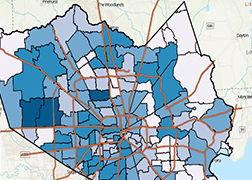
A majority of people who live in Harris County say they’ve suffered financial troubles during COVID-19 and almost half say they or someone in their household has lost a job, lost a business, or had their wages or hours reduced.

On Sunday October 18, St. Luke the Evangelist, Houston celebrated its 100th anniversary. About forty people participated in outdoor worship, and a more significant number followed the event online.
The history of St. Luke’s is full of outstanding achievements and, at the same time, struggles against discrimination. The organization of this mission represented the third Episcopal Church for African Americans in the Episcopal Diocese of Texas and the first work among African Americans in Houston. From its beginning in a basement, it took the church forty years to build the building where they now meet.
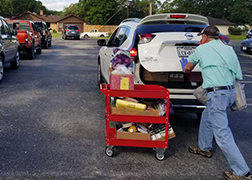
On Saturday, November 7, St. Thomas the Apostle, Nassau Bay, will offer the next of its monthly fresh food distribution to neighbors in need throughout Nassau Bay, Webster, and Pasadena.

In 2015, I completed a project for the Commission on Black Ministries in which I compiled the histories of the predominantly African American Episcopal churches in the Episcopal Diocese of Texas.

Half of Texans say they have suffered financially as a result of COVID-19 and more than one-third say they or someone in their household has skipped or postponed needed health care since the pandemic began. Those are just some of the findings from Episcopal Health Foundation’s statewide survey of Texans on the impacts of the COVID-19 pandemic across the state.
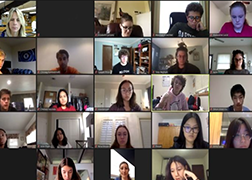
Science instructor Kathy McCain was watching ABC Evening News in late August when a piece came on about a team of neonatal intensive care unit (NICU) nurses caring for 19 critical infants as Hurricane Laura barreled down on them at Lake Charles Memorial Hospital for Women in Louisiana. The story highlighted the heroic work of NICU Nursing Director Leah Upton and her team, which faced down the Category 4 hurricane to protect and care for their fragile patients.

Celebrating 175 years of mission in Christ, we are a diverse community of believers following the Episcopal tradition across our 81-county diocese spanning nearly 70,000 square miles in the central, eastern, and northern regions of Texas. Founded in 1838, we are more than 450 active clergy-strong with 175 congregations, over 100 missional communities, 20 campus missions, chaplaincies, foundations, institutions, and over 72,000 parishioners.
The Episcopal Diocese of Texas
1225 Texas Ave
Houston, TX US 77002
"*" indicates required fields
© The Episcopal Diocese of Texas ALL RIGHTS RESERVED.